The origins of these 59 English words might just surprise you

The English language is basically a chaotic mess of stolen words, bad translations and people making stuff up on the spot.
From ancient dice games to cow-based medicine, here are 59 everyday words with bizarre, brilliant and occasionally completely bonkers origins. You’ll certainly not feel the same way the next time you step into a gymnasium.
Disclaimer – there are several that are highly disputed.
59 Words with Surprising Origins
1. Nightmare
From Old English mare, a malicious spirit believed to sit on sleepers’ chests causing terrifying dreams and suffocation. Originally a supernatural affliction rather than just a bad dream.
2. Malaria
From Italian mala aria, “bad air.” Before germ theory, disease was blamed on unhealthy swamp gases.
3. Clue
From Old English clew, a ball of thread used by Theseus to escape the Labyrinth, evolving into a guide or piece of evidence.
4. Alcohol
From Arabic al-kuḥl, originally a fine powder eyeliner, later meaning distilled substances and intoxicating spirits.
5. Ketchup
From Hokkien Chinese ke-tsiap, a fermented fish sauce adopted and transformed into the tomato condiment we know today.
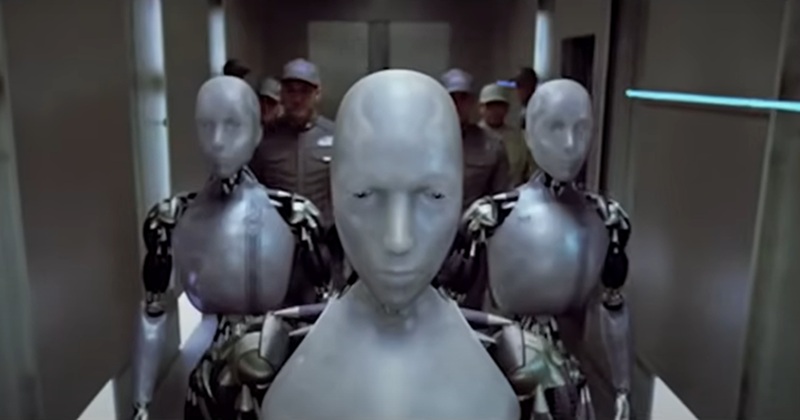
6. Robot
From Czech robota, meaning forced labor, introduced in Karel Čapek’s play R.U.R.
7. Quarantine
From Italian quaranta giorni, “forty days,” the period ships were isolated to prevent plague spread.
8. Hazard
From Arabic al-zahr, meaning dice, later referring to risk or danger.
9. Hooligan
Possibly from Irish surname Houlihan, popularized in 19th-century music hall songs describing violent troublemakers.
10. Whiskey
From Gaelic uisce beatha, “water of life,” reflecting the spirit’s cultural value.
11. Salary
From Latin salarium, money given to Roman soldiers to buy salt, then generalized to wages.
12. Sincere
From Latin sincerus, meaning pure or clean, later honest and genuine.
13. Muscle
From Latin musculus, “little mouse,” describing the shape and movement of muscles under skin.
14. Sarcasm
From Greek sarkazein, “to tear flesh,” metaphor for biting, cutting speech.
15. Tawdry
From “Saint Audrey’s lace,” cheap trinkets sold at fairs, later meaning gaudy or tasteless.
16. Peculiar
From Latin peculium, private property or cattle, evolving to something distinctive or unusual.
17. Jumbo
Named after a famous 19th-century circus elephant, probably from African words meaning “chief” or “hello.”
18. Vaccine
From Latin vacca, “cow,” referencing cowpox’s role in the first smallpox vaccine.
19. Checkmate
From Persian shāh māt, “the king is helpless,” a chess term.
20. Berserk
From Old Norse berserkr, Viking warriors who fought in a furious trance, possibly wearing bear skins.
21. Nice
From Latin nescius, meaning ignorant or unaware, evolving into its modern positive sense.
22. Cliché
From French printing term for stereotype plates used to produce repeated images or text.
23. Groggy
From “Old Grog,” British Admiral Edward Vernon who watered down sailors’ rum, leading to woozy effects.
24. Genuine
From Latin genuinus, meaning innate, authentic, or natural.
25. Silhouette
Named after Étienne de Silhouette, French finance minister known for austerity; cheap profile portraits mocked with his name.
26. Wanderlust
From German wandern (to hike) + Lust (desire), meaning a strong urge to travel.
27. Admiral
From Arabic amir al-, “commander of,” used for naval commanders in the medieval Mediterranean.
28. Apron
From Middle English a napron, changed by linguistic shift to an apron.
29. Nickname
From Old English ekename, meaning “additional name,” altered by misdivision to “nickname.”
30. Cocktail
Origin uncertain; theories include a French egg cup, docked horse tails, or mixed liquor resembling a rooster’s tail.